Understanding the Advantages of Mass Containers in Enhancing Product Handling and Distribution Processes
Mass containers play a crucial role in optimizing item handling and circulation. Their design facilitates efficient inventory administration and reduces waste, causing cost savings. On top of that, these containers enhance transportation efficiency and improve product security during transit. As industries continue to seek lasting remedies, the versatility of bulk containers ends up being progressively appropriate. Exploring their various advantages discloses insights that can transform operational strategies across supply chains. What might these insights involve for future practices?
The Duty of Mass Containers in Stock Management
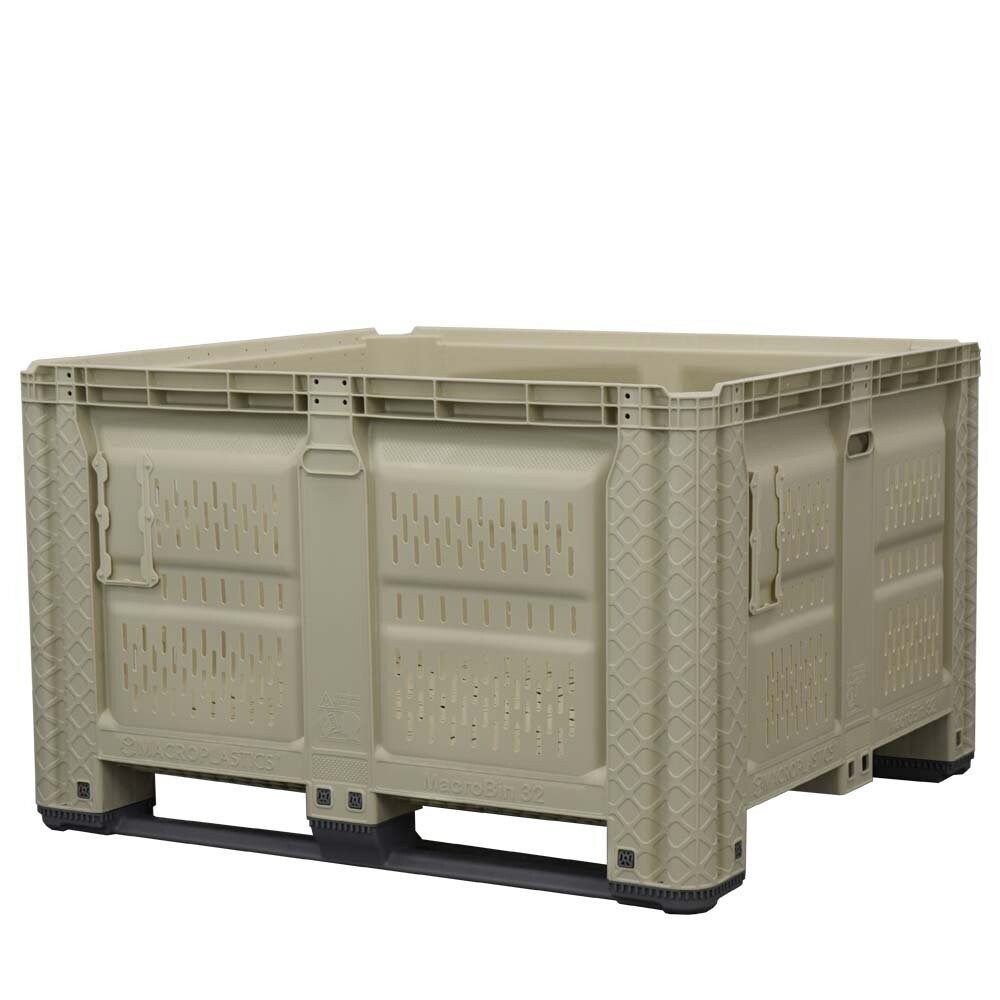
Mass containers play an important role in stock administration by enhancing the storage and transport of huge quantities of items. These containers promote reliable organization and easy accessibility to products, thereby reducing the time invested finding items within stockrooms. Their standardized sizes and styles permit for ideal use of room, making the most of storage space abilities. Additionally, mass containers boost the accuracy of supply tracking, as they can be conveniently identified and scanned for stock administration systems. The robust nature of these containers secures goods from damages during handling and transportation, ensuring item stability. Overall, mass containers add significantly to an extra organized, reliable, and dependable supply management procedure, sustaining companies in fulfilling demand and maintaining functional effectiveness.
Cost-Effectiveness of Mass Containers
The cost-effectiveness of bulk containers plays a considerable duty in modern product handling. By decreasing packaging costs and maximizing transport logistics, companies can accomplish considerable savings. This monetary performance not just enhances success however additionally adds to structured procedures.
Reduced Packaging Expenses
Lots of businesses find that making use of bulk containers notably decreases product packaging expenses. By settling items into larger containers, business can substantially lower the quantity of product packaging product required. This decrease not just reduces the expenses linked with purchasing product packaging supplies but likewise lessens garbage disposal expenditures. In addition, bulk containers improve the packing process, permitting faster and much more effective packing operations. Consequently, labor prices associated to taking care of smaller sized plans are likewise minimized. Additionally, the durability of mass containers usually results in fewer item problems during transit, consequently reducing the need for substitute product packaging - Bulk Plastic Containers. Generally, the adoption of mass containers represents a tactical approach to lowering packaging expenses while improving functional effectiveness
Reliable Transport Cost Savings
Substantial financial savings in transportation costs can be attained through using bulk containers. By maximizing tons capacities, mass containers decrease the number of journeys required to move goods, leading to lower gas expenses and lowered labor expenses. Their standard dimensions facilitate reliable loading and stacking, maximizing space within transportation vehicles. Furthermore, mass containers typically consider less than standard product packaging, enabling for increased payloads without going beyond weight limits, additionally boosting cost effectiveness. The resilience of these containers decreases product damages throughout transportation, decreasing returns and losses. Overall, the combination of mass containers in logistics not just enhances transport procedures but likewise considerably adds to cost-effectiveness, making them a vital element in modern-day supply chain management.
Lessening Waste With Bulk Containers
Bulk containers play an essential function in minimizing waste within product handling systems. By minimizing material waste and promoting effective source application, these containers contribute significantly to sustainability efforts. This shift towards sustainable packaging solutions not only benefits the environment but also enhances operational efficiency.
Decreasing Material Waste
Efficient administration of material waste is a vital worry in product handling, and using bulk containers can play an essential duty in resolving this problem. By enhancing the volume of products transported at once, mass containers significantly lower the variety of deliveries needed, thus minimizing excess product packaging waste. Their durable style likewise avoids splilling and damages during transit, more restricting material loss - Industrial Bulk Plastic Containers. In addition, bulk containers are frequently reusable, advertising a circular economy that urges sustainability. The standardization of these containers streamlines inventory monitoring and minimizes the risk of over-ordering, which can bring about waste. As companies endeavor for performance, embracing bulk containers arises as an effective approach for decreasing product waste in different distribution procedures
Efficient Source Utilization
While going for optimal efficiency, lots of organizations discover that the application of bulk containers substantially improves source management. These containers promote streamlined operations by lowering the frequency of managing and transportation, which in turn lessens the likelihood of product loss and damages. By consolidating materials right into bigger units, business can maximize storage space and minimize the need for excessive packaging. This method not only decreases product costs but additionally lowers labor related to managing smaller packages. Additionally, mass containers frequently have a longer life-span contrasted to traditional packaging, resulting in lower replacement rates and decreased waste. Inevitably, the adoption of bulk containers cultivates a more efficient use sources, adding to boosted operational performance and expense financial savings in the supply chain.
Lasting Packaging Solutions
A substantial benefit of utilizing mass containers exists in their prospective to reduce waste in packaging processes. These containers are developed for reuse, noticeably minimizing the demand for single-use product packaging products, which contribute to ecological deterioration. By settling item storage and transportation, bulk containers enhance space and reduce the general quantity of materials required, thereby decreasing the carbon impact related to production and disposing of traditional packaging. On top of that, their longevity warranties that they can hold up against several trips, promoting a round economic situation. As services progressively embrace sustainable techniques, the combination of bulk containers right into supply chains represents a positive method to lowering waste and boosting effectiveness, ultimately sustaining wider environmental objectives and business social responsibility campaigns.
Enhancing Transportation Efficiency
Maximizing transportation performance is necessary for companies making use of bulk containers in item handling. Mass containers are developed to make the most of room usage throughout transportation, permitting for larger amounts of products to be delivered at the same time. This decrease in trips equates to decrease transport expenses and lowered carbon emissions, adding to even more sustainable logistics methods. In addition, the uniformity of bulk read more containers simplifies loading and discharging procedures, reducing taking care of time and labor costs. Their tough building also offers defense versus damages, decreasing losses during transit. Because of this, business can accomplish quicker turn-around times, enhancing overall supply chain efficiency. By applying mass containers, companies can significantly boost their transportation logistics, eventually resulting in raised profitability and an one-upmanship in the marketplace.
Improving Product Security and High Quality
Making sure item safety and high quality is vital for services that make use of mass containers in item handling, as these containers are particularly designed to protect components during storage and transport. The robust construction of mass containers shields items from ecological variables such as dust, moisture, and contamination, which can compromise integrity. In addition, their impermeable seals lessen exposure to air, thus preserving quality and protecting against perishing. In addition, bulk containers help with conformity with safety and security guidelines by supplying clear labeling and traceability, which are necessary in different industries, consisting of food and pharmaceuticals. By utilizing bulk containers, companies can successfully decrease the threat of damage during transportation and handling, making certain that products reach their location in prime condition, therefore improving consumer contentment and depend on.
Flexibility and Flexibility of Bulk Containers
Mass containers provide impressive adaptability and flexibility, making them appropriate for a wide variety of applications and markets. Their layout permits the reliable handling of various materials, consisting of liquids, powders, and granules, accommodating industries such as food, drugs, and chemicals. These containers can be easily customized or tailored to meet particular functional needs, helping with smooth assimilation into existing supply chains. Furthermore, their stackable nature maximizes storage room, enhancing storehouse performance. The ability to stand up to various ecological problems even more expands their use throughout diverse settings, from producing to transport. This flexibility not just improves logistics yet additionally supports companies in conference rising and fall needs, underscoring the value of mass containers in modern-day item handling systems.
Sustainability Benefits of Using Bulk Containers
The versatility of bulk containers not just enhances functional efficiency however likewise contributes considerably to sustainability initiatives throughout numerous industries. By reducing the necessity for single-use product packaging, mass containers decrease waste generation, causing a reduced environmental impact. Their recyclable nature enables firms to substantially decrease product intake, while their layout advertises effective transportation, reducing fuel usage and greenhouse gas discharges. Additionally, mass containers can be easily cleansed and repurposed, better prolonging their lifecycle and lessening the requirement for new manufacturing resources. This lasting approach lines up with growing consumer preferences for environmentally friendly practices, enabling services to improve their brand name photo while supporting ecological stewardship. On the whole, the application of mass containers promotes a more sustainable version for product handling and distribution.
Frequently Asked Questions
What Products Are Bulk Containers Commonly Made From?
Mass containers are commonly made from materials such as plastic, metal, timber, or composite materials. These options depend on the container's intended usage, toughness demands, and the kinds of items being kept or carried.
Just How Do Bulk Containers Follow Market Laws?
Mass containers abide by market laws by sticking see to safety standards, making use of accepted products, and assuring proper labeling. Normal evaluations and qualifications further assure they meet health, ecological, and transport standards, securing product integrity throughout the supply chain.
Can Bulk Containers Be Personalized for Certain Products?
Yes, bulk containers can be tailored for specific items. Suppliers usually create them to meet unique specs, making sure compatibility with various materials, improving security, and enhancing efficiency throughout handling and circulation tailored to specific industry requirements.
What Is the Average Life-span of a Bulk Container?
The average lifespan of a bulk container normally ranges from 5 to two decades, depending on the materials used, frequency of usage, and upkeep techniques. Correct care can considerably expand its usability and effectiveness.
Just how Do I Clean and Maintain Bulk Containers Successfully?
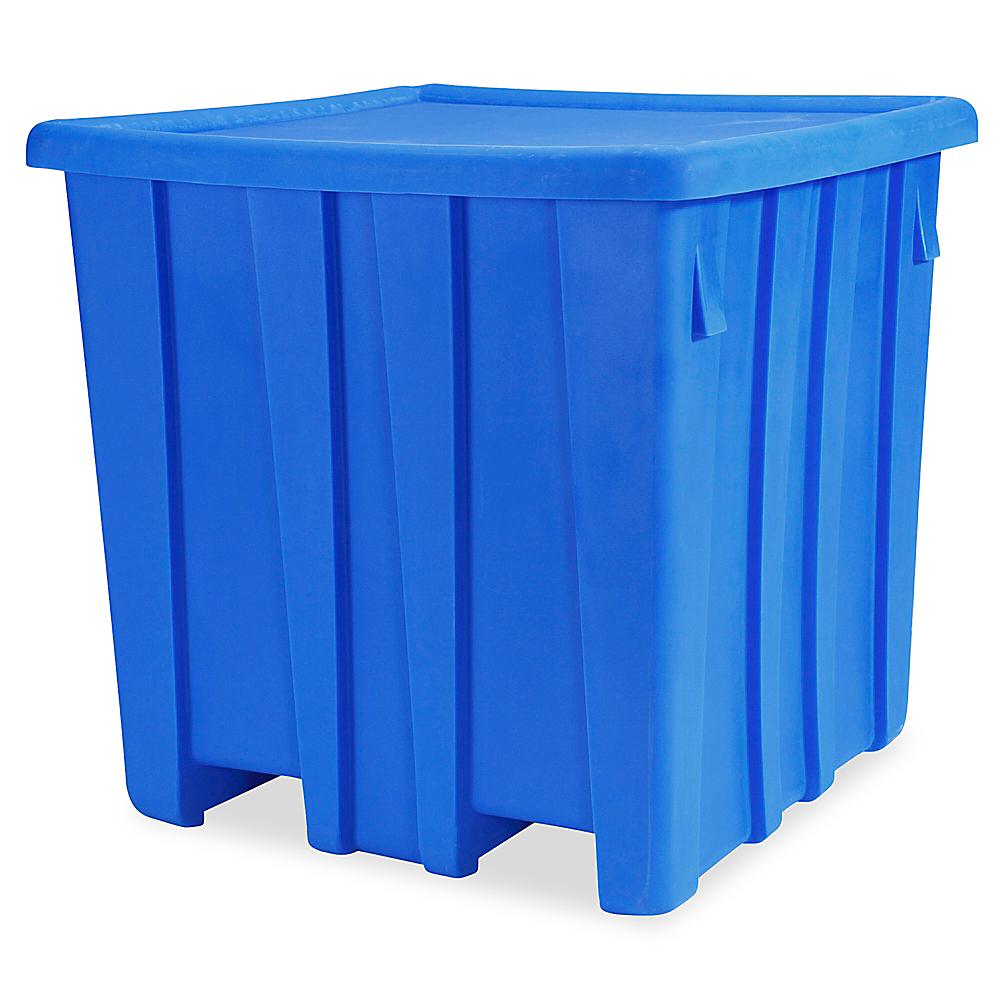
The toughness of mass containers typically leads to less product problems during transit, thereby reducing the demand for replacement packaging. Efficient management of product waste is an important worry in item handling, and using bulk containers can play a crucial role in resolving this issue. By settling product storage space and transport, mass containers maximize space and decrease the total volume of products required, consequently lowering the carbon impact linked with manufacturing and disposing of traditional product packaging. Maximizing transportation effectiveness is crucial for services using mass containers in product handling. Guaranteeing product safety and security and quality is critical for companies that use bulk containers in product handling, as these containers are especially developed to protect components throughout storage and transport.